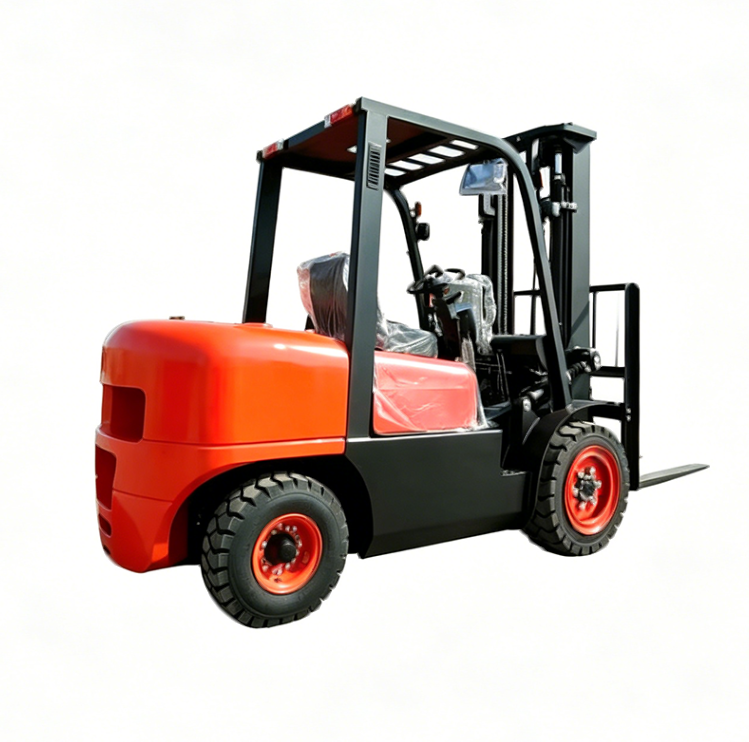
A diesel forklift truck in a quarry, logging yard, or remote site faces dust, water, vibration, heat, and electrical noise at the same time. Any one can cause a fault. Together they expose weak points faster than a warehouse ever will. Interference here is not only radio noise. It includes contaminated fuel, clogged filters, loose connectors, corroded terminals, cracked mounts, and voltage spikes that trigger fault codes. The aim is not immunity to everything. It is keeping critical systems alive long enough to finish the shift and get serviced before small issues become failures.
| Interference source | Field symptom | Engineering response | Residual risk |
|---|---|---|---|
| Dust and grit | High intake restriction, bore wear | Multi-stage air filtration, restriction indicator | Leaks downstream of filter |
| Water in fuel | Hard starting, engine derate | Water separator, fine fuel filter | Poor fuel storage |
| Electrical noise | Fault codes, sensor drift | Shielding, grounding, sealed connectors | Damaged harness |
| Vibration | Loose mounts, chafed wires | Damping, torque checks, strain relief | Age-hardened rubber |
| Heat and cold | Fluid breakdown, weak starts | Correct oil, cooling package, battery care | Extreme climate swings |
Dust is the most visible enemy. A diesel engine pulls a large volume of air, and field air carries silica, plant fibers, and grit. A single-stage filter can look fine outside while the element is loaded. Multi-stage filtration with a pre-cleaner, main element, and safety element buys time. ISO 5011 defines air filter test procedures, and useful data includes initial efficiency, dust capacity, and restriction rise. If the intake leaks downstream of the filter, dust reaches the cylinders and causes bore polishing, oil consumption, and hard starting. In muddy or fibrous conditions, reversible fans or wider fin spacing reduce clogging on cooling packages.
Field diesel is rarely laboratory clean. Water, sediment, and microbial growth are common in storage tanks and cans. High-pressure common rail systems tolerate contamination poorly. A water separator and fine fuel filter are essential, and ISO 4020 covers diesel fuel filter testing. Cold weather can plug filters with wax. Hot, humid climates feed condensation and microbes inside the tank. The fix combines clean fuel handling, tank draining, filter changes on condition, and a separator that removes free water. A diesel forklift truck that starts hard after a fuel delivery may be showing the first sign of contamination.
Modern diesel forklifts use control units, sensors, and displays. EN 12895 sets electromagnetic compatibility requirements for industrial trucks. That standard helps, but field interference often enters through damaged wiring, poor grounding, or moisture in connectors. Vibration rubs insulation against frame edges. A sensor signal drifts, and the controller may derate the engine or flash a fault code. Sealed connectors, proper strain relief, dielectric grease, and routed harnesses reduce the risk. IP ratings matter, but installation matters just as much. Look for chafing, green corrosion, and loose grounds before blaming software.
Vibration rarely kills a diesel forklift truck in one event. It loosens fasteners, cracks mounts, and fatigues wires. Engine mounts, exhaust brackets, battery hold-downs, and mast bolts see cyclic loads. Rubber mounts harden with age and heat, then transfer more vibration into the frame. Thread locker, torque checks, and proper support spacing help. Shock loads from potholes and dropped loads are harder to predict. Operator behavior still matters. Slow down on rough ground. Avoid carrying loads at full height. Report unusual noises before a bracket fails completely.
Heat degrades fluids, seals, and insulation. Cold thickens oil, weakens batteries, and makes fuel harder to atomize. A diesel forklift truck in a desert yard may need a larger cooling package and a different oil grade than one in a cold storage yard. Slope work adds load to the drivetrain and changes fluid pickup in the sump. The right configuration depends on the duty cycle. No single setup covers every climate. Maintenance intervals and fluid choices should follow the environment, not just the hour meter.
The strongest anti-interference strategy combines design, inspection, and operator discipline. 1. Check air restriction, fuel water separator, and coolant condition at every service. 2. Inspect wiring and connectors for chafing and moisture. 3. Keep grounds clean and tight. 4. Use the correct fuel and oil for the climate. 5. Wash cooling packages carefully without forcing water into sealed connectors. 6. Fix small leaks and loose mounts before they cause electrical or mechanical damage.
In a palm plantation in Southeast Asia, a fleet of diesel forklift trucks worked through the rainy season on mud and gravel. Operators reported random engine derates and intermittent instrument faults. Inspection found water in the fuel separator, a chafed harness near the mast, and a corroded ground strap. Cleaning the fuel system, rerouting the harness, and replacing the ground connection resolved most symptoms. The remaining issue was a loose battery hold-down. Harsh field interference usually arrives through several small openings, not one dramatic failure.
Kaiyite produces diesel forklift trucks, lifting platforms, and stackers with large-scale manufacturing and engineering support. That combination helps buyers specify filtration, wiring protection, and cooling capacity for actual field conditions. No diesel forklift truck is immune to every interference source, but a machine designed with service access and robust protection will stay productive longer when the environment is not friendly.

Shandong Kaiyite Machinery is an important participant in the construction machinery industry, located in a city known for well-known forklift brands such as Komatsu and Toyota. The factory covers an area of 128000 square meters and currently has over 1800employees, including 390 engineers.
Room 1314, 13th Floor, Block B, Zhongde Plaza, Liying Street, Rencheng District, Jining City, Shandong Province
 Wechat QRCode
 WhatsApp
Copyright © 2026 by Shandong Kaiyite Machinery Co., Ltd. Privacy Policy
 EN